Swan upon Leda
On violence against women and the brutality of imperialism
Mar 6, 2026 · 4 min read
Content warning: this essay contains mentions of sexual assault and imperial violence, if that makes you uncomfortable in anyway please click away.
In ancient Greece there were many myths. They centered love, loss, greed, hubris, honestly anything and everything. As a woman living in this modern world the one that is most relatable and harrowing is the story of Leda and the swan. And, oddly enough, no one understood this better than Hozier (an honorary woman badge recipient) when he was writing his song “Swan Upon Leda”
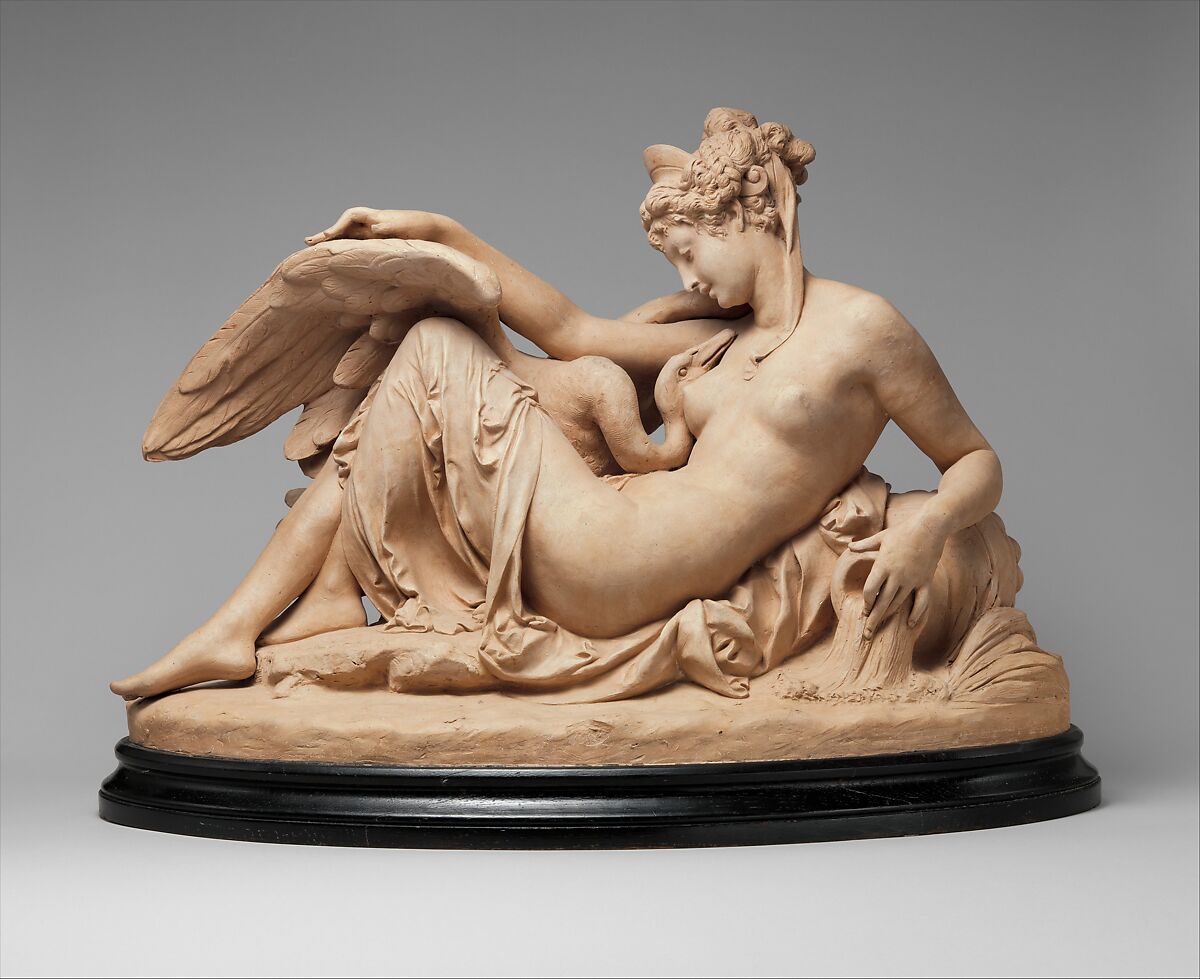
To quickly recap if you haven’t heard the story, Zeus, in one of his adventures, comes across a beautiful woman named Leda. He becomes enamored with her and transforms into a swan and seduces/rapes her (just like the tale of Medusa there is some controversy of the consent of their encounter).
In his song Hozier opens the first verse with imagery of a young woman giving birth. It is important to note this song was written in the wake of Roe v. Wade being overturned and though it has never been confirmed that this verse is referencing that, it can be inferred. In the same verse Hozier goes on to say there wasn’t even a feather left behind with this girl. A reference to the original myth of Zeus morphing into a swan, but also a conversation about men’s place as fathers. This line tells the listener that all the responsibility of raising this child has fallen to the young girl and the man faces no consequences for his actions. The last line of this verse is “one more sweet boy to be butchered by man” Which is a reference to the patriarchal cycles that we get caught up in. Combined with the lines before, it shows that men’s place in society throughout history has been one of little emotional vulnerability and gentleness, but we are too caught up to change anything.
The chorus starts out with the idea of “the gateway to the world” which can be interpreted in this context as the birth of new life. Hozier goes on to say how this gateway doesn’t belong to angels or men. The burden of children is a woman’s to bear. It is the most powerful thing in this world to create life yet the people who hold that power don’t get to make their own decisions about it. The last lines of the chorus reference the rape of Leda and compare that to imperialism in Palestine. Bringing the two together shows the listener the brutality of both these sins. How the swan and the empire both have taken from their victims for their own benefit without remorse for the people hurt by their actions.
Verse two shifts the perspective more into the imperialism that we were hearing about at the end of the chorus. Hozier references the myth of Sétanta, who tied himself to a pillar as he was dying so that he would meet his death standing up. Hozier brings up this myth specifically because it references the separation of Northern Ireland and Ireland. This is further explored in the following lines that talk about the checkpoints between the two countries and how separated the island of Ireland has become because of Great Britain. This whole verse follows women having to cross the border to get access to vital healthcare. We see a grandmother smuggling pills for a medical abortion, a mother giving a soft smile, and a young boy guarding the checkpoint. By showing these three people we see how imperialism has impacted people’s lives for generations and, more specifically, how the separation of Ireland has created a disconnect of its people.
After this we get the second chorus that has a few changes compared to the first. In this chorus Hozier says “The gateway to the world/ a gun in a trembling hand.” We have already talked about the gateway and childbirth, but in this chorus we see the gun as an escalation of the fear and violence that can come with pregnancy, wanted or unwanted. This line could also reference the violence that can come with empires. How leaders are so eager to start wars but they don’t think about the people on the frontlines who are not only putting their lives in danger, but also getting put in positions where they have to deal with the burden of hurting others. The last line of this chorus changes from being specifically about the imperialism in Palestine and broadens the scope to all lands and people that have been victims of occupiers raping their recourses just like Leda.
At the end of the song Hozier brings us back to the story of Leda and shows us that the symbolism portrayed in that tale is something so many of us can relate to. By writing this song Hozier widens the scope of the original story to tell us how the need for power, whether that be Zeus’s need for power over Leda or Israel’s need for power over Palestine, leads to violence and brutality for everyone.