Project MoonShadow 01
How MoonShadow Came to be
Feb 27, 2026 · 3 min read
Project of the Year
When first setting about a new project, I start by doing a set of ideas by which I will stick to and build around.
In the past, I’ve restricted myself to a singular personal project a year. The project can be multifaceted and should take up most of the year allotted.
Last year(2025), I sat at my desk. And, I’d already decided I really wanted to do something in the fantasy/scifi range that was magic heavy.
A Different Kind of Project
As I began setting up the things I wanted and the things I did not, I realized this wasn’t going to be like previous projects. No. MoonShadow was going to be my full on Frank Herbert worldbuilding Master Class. My magnum opus.
It would require more than a year, and a method I’d never really used deeply before.
In the 1960s, Frank Herbert spent 6 years building the world of Dune before starting book One. Then, the first book clocked over 900 pages and took forever to convince a publisher it was worth it. Still, the publisher insisted on shaving off a huge chunk of the book, which became book Two Dune Messiah, book one was still 700 pages. Book one was published in 1965.
Herbert has always been the author I admired most, because he refused to take the partial route that nearly all fantasy and scifi uses. This method encourages the author to ignore any world elements that aren’t specifically in the narrative.
This method is best for most writers. Most won’t create a series. And if they do, the worlds are shallow at best. If they come back for book 2, they don’t have any material that hadn’t been used in the first part.
Worldbuilding with Integrity
Book one is a surprise hit! But wait, they didn’t bother to organize the details of the setting. And they never thought outside of the “next page” writing box.
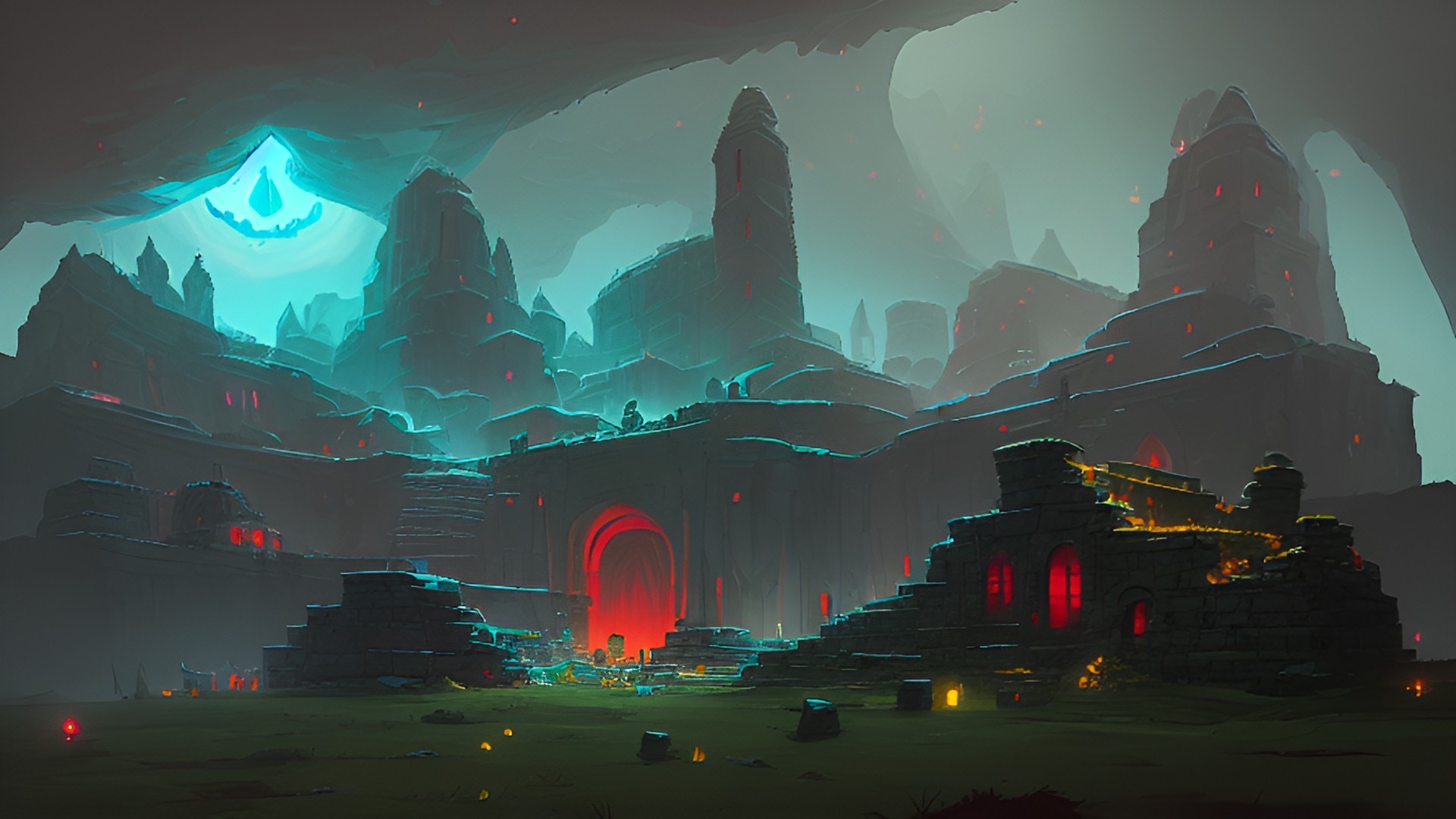
Well, I knew this was going to be more than a novel. I’d already planned art to depict parts of the world. Something I wish was more common in fantasy. I also had already decided I would do a novel, but I’d also do a mix of shorter stories. I laid out other media elements too, that I’ll cover separately.
To be clear, I have worked on many large world builds. Crafting a setting is far from new to me. I’d just never done it for my own work.
In longform fiction, I’m pretty bad about mentioning a detail, then when it comes up again, not having a clue what that detail was. So, worldbuilding, with an easy to reference basic setting and layout. I’d need templates and maybe Charts. Definitely a glossary, character bio sheets, a map cheat sheet, and several outlines.
Why???
Why did I decide on this method?
It gave me a large amount of choices. For any story decision, I’d have options. I could do some very cool stuff like this lots of genre and format bending. Translation: “More Fun!!”
When you start laying out the world, there are tons of things that need to be addressed. There are also lots of things that need to be detailed, talked over, brainstormed.
Essentially, writer’s block becomes a nonthreat. Not sure where to go on this scene? No big deal look over everything else. There will always be something that needs clarifying or developing. By having so many options, and they all equal progress, creative blocks mean nothing
In a way, an excellent worldbuild is a way to take control of your inspiration. It’s no longer a game of This has to be fixed before anything else can happen. It becomes a tactical battle in which a blocked path can be flanked.
Okay. End of this Behind the Scenes look at how the MoonShadow world developed and continues to develop. Next time we’ll talk about the first rules I laid out. The fundamentals which can be consulted when hard decisions surface, and how these simple statements also allow collaborators to easily write, knowing they aren’t way off base.
I’m Jack Lhasa.
You are amazing.
👊🏼👊🏼Solidarity👊🏼👊🏼
https://substack.com/@exoteric1
https://www.patreon.com/jacklhasa