No matter how disgraceful and ugly you are, I don't mind.
Feb 25, 2026 · 2 min read
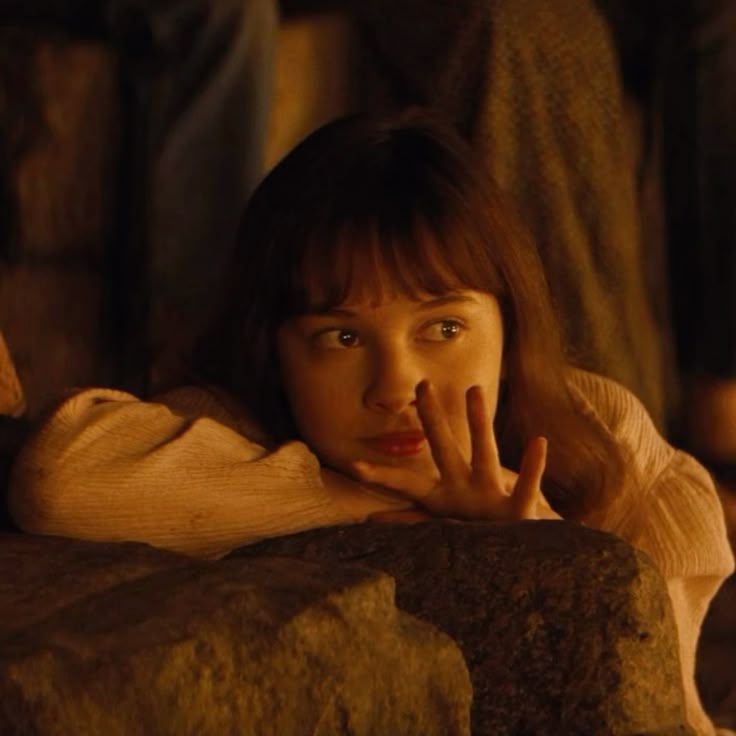
I have always been called a romantic, though the label never quite fitted the shape of my soul. Perhaps there were traces of it when I was little —but weren't we all more porous then, before the world hardened? People attribute this quality to me because I linger over nature, because I watch the world from a distance as if through a pane of glass. They see a "romantic" in the way I dissolve into a landscape, yet they fail to see the truth: I linger there only because the trees do not look back; the earth asks me to be nothing other than the silent thing I am. To me, "romance" suggests a warmth, a human proximity that I have never dared to touch.
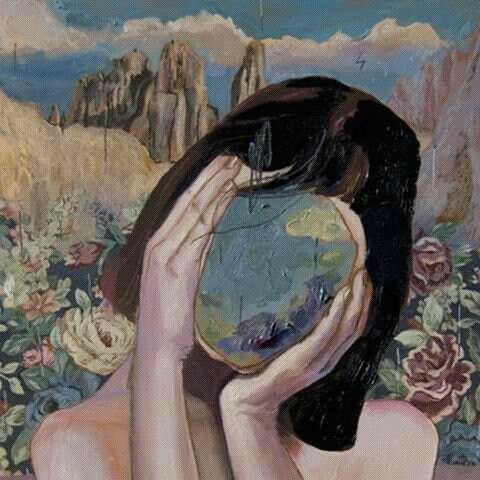
In reality, I am a creature of distance—aloof, guarded, always behind a veil. I do not let others approach; I only permit those few to stay who have the sheer persistence to weather my silence. I am never the one to reach out. I am paralyzed by a constant, vibrating consciousness of my own inferiority, a fear that I am somehow "less" than the air I breathe.
So, I labor in a perpetual cycle of editing. I rewrite myself. I try to polish my mind until it is sharp, my face until it is graceful—convinced that love is not a natural right, but a prize to be earned through perfection. I feel that only when I am finally "finished," a smooth and edited object, will I deserve to be seen.
But beneath the polish, there is a cry. I yearn to step off this agonizing stage, to cease this performance of the "ideal." I want to find someone waiting for me in the dark, stripped of the makeup and the shiny clothes—just me, with all my loud, disgraceful edges and my unvarnished ugliness. I long for eyes that do not wince at the sight of my true self, but instead look deeply into the very imperfections that compose me, and there—in that raw, unedited space—find something to love.