I am Sorry, Emu
Apr 6, 2026 · 3 min read
Author’s note: This story is based on The Great Emu War (Australia, 1932). This is historical fiction. The characters did not exist in real life.
Once again we gathered around the small kitchen table. Mother cut the damper into careful pieces. It wasn’t much, but it was all we had.
Worried, I slid my piece toward my little brother. His legs had gotten thinner. “Eat.”
He stared with his dark eyes at me and shook his head hard.
Father cleared his throat, agreeing with me. “He’s right. You need it.”
Before I could answer, we heard it. A low rustling. Then the sharp snap of wood. We all stood and hurried to the window. Emus. They moved through the field like it was theirs. Tearing through the fence we had fixed only yesterday. Pecking at the wheat that had taken months to grow. Father’s face turned red. His hands curled into fists.
Mother touched his arm. “Don’t.”
He wouldn’t chase them. After all, we all knew it was useless.
That night there was a knock at the door. Our neighbor stood there, hat in his hands, dust clinging to his boots.
“They’re sending soldiers,” he said. “From Perth. With machine guns.”
Father frowned. “For birds?”
“They say there’s thousands of them. The government promised help. Guess this is it.”
Soldiers.
I hadn’t thought about the army in years. France felt like another lifetime. The friends I had made and lost there. I had pushed it all down. Now I was back home and still hungry.
A week later they arrived: two soldiers and a Major with Lewis guns. They were just enough to make the emu war official. I stood by the fence when they set up. The Major recognized the look in my eyes and the scar on my right arm.
“You’ve handled one before?” he asked.
“Yes, sir.”
He studied me for a moment, then nodded. “We could use the help.”
So I stood beside them again. Behind another machine gun.
The sun burned down on us. Then we saw them - a line of emus stretching across the field. Dozens of them. We moved closer, crouching low. The gun felt heavy in my hands, but familiar.
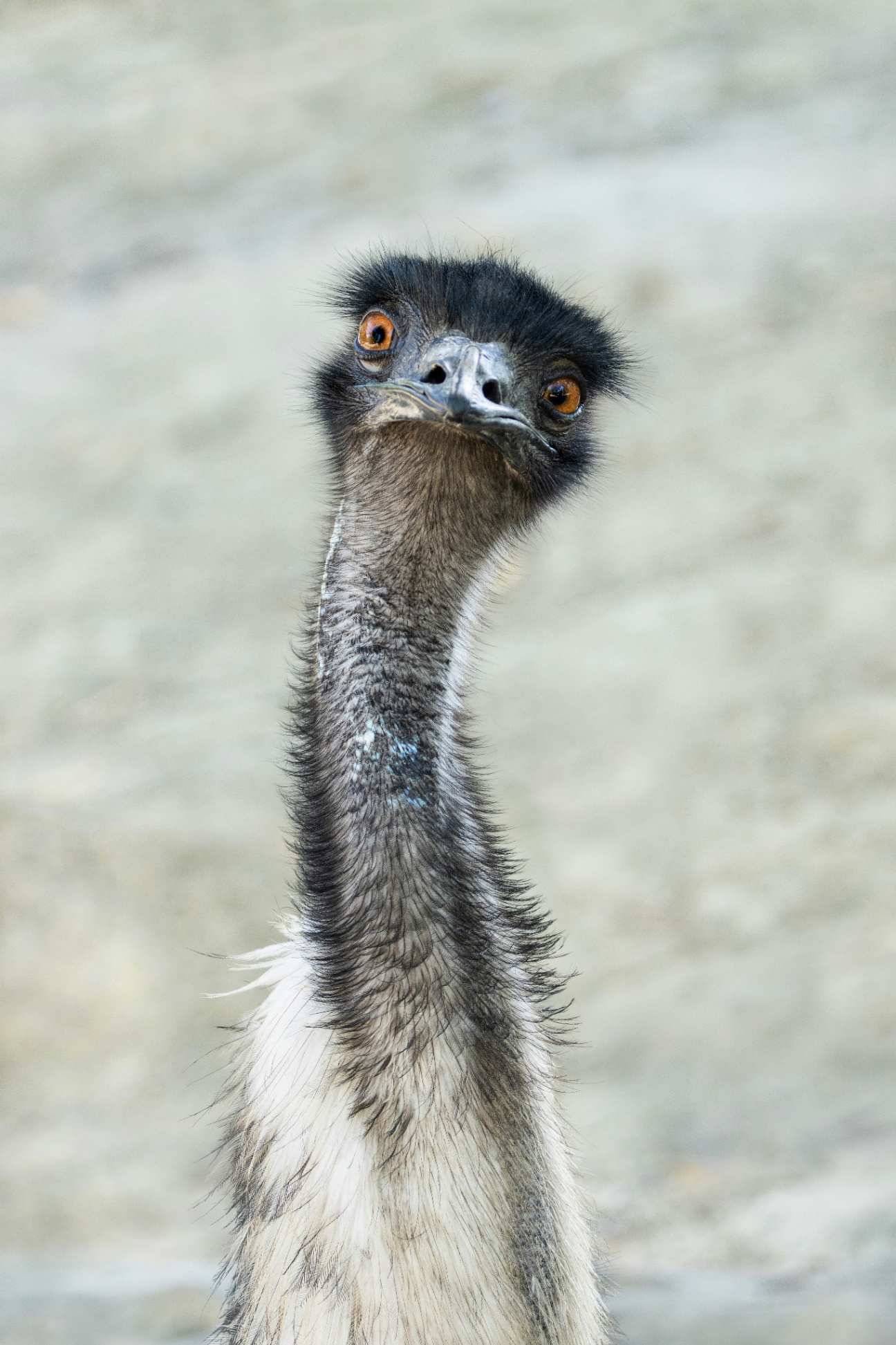
The emus pecked at the ground. One of them, smaller than the rest, lifted its head. It looked straight at me. Its eyes were dark. Its legs thin. For a moment, I saw my brother standing in the field.
I had faced men charging at me with bayonets. I had not hesitated then. But this was different. Behind me, the Major gave the order. I tightened my grip. My stomach twisted the way it had in France.
The emu tilted its head slightly, as if trying to understand me. I swallowed.
“I am sorry, Emu,” I whispered.
And then I fired.
The gun roared. The birds exploded into motion, scattering in every direction. Dust filled the air. When it cleared, most of them were gone.
We fired again that day. And the next. And still they kept coming.
At night I lay awake listening to the wind move through the broken fence. I had survived one war. Now I stood in another, fighting creatures that only wanted to live. In the end, the soldiers packed up. It was too inefficient, they said. Pointless. The wheat was thinner that year.
Sometimes I still see that small one in my mind. Standing in the field. Looking at me as if I were a strange creature. History might laugh and call it a war against birds. But I remember those eyes. Every time I see my brother.
Comments (1)